


WHY ARE TERRAZZO-LOOK TILES INCREASINGLY PRESENT IN CONTEMPORARY ARCHITECTURE?
07/01/2026
In contemporary architecture, finishing materials are no longer limited to surface coverage. They are increasingly regarded as a design language—a medium through which structure, rhythm, and spatial emotion are intentionally articulated. This shift in design thinking explains why terrazzo-look tiles are being chosen more frequently by architects and designers across a wide range of modern projects.
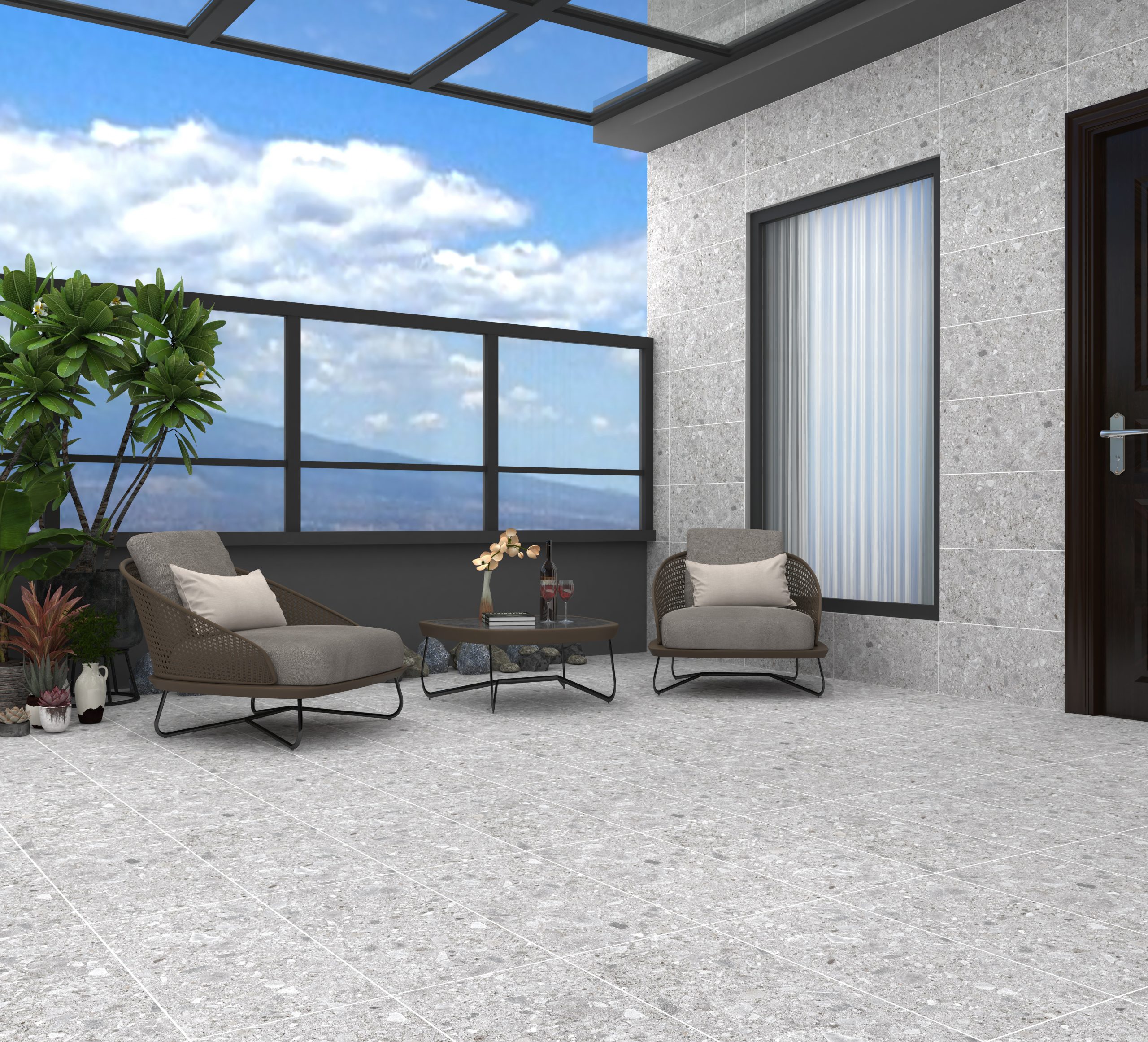
Terrazzo – From Traditional Craft to a Contemporary Surface Language
Terrazzo originates from traditional Italian stone-polishing techniques, deeply rooted in the history of European architecture. Its defining characteristic lies in the multi-colored stone-chip composition, arranged in a seemingly random manner, creating surfaces rich in variation and visual depth.
In today’s context, this spirit is reinterpreted through advanced manufacturing technologies, enabling greater control over color consistency, sharpness, and surface stability. As a result, terrazzo retains its heritage-inspired beauty while meeting the technical and aesthetic requirements of contemporary architecture.
A Surface Solution for Large-Scale Spaces
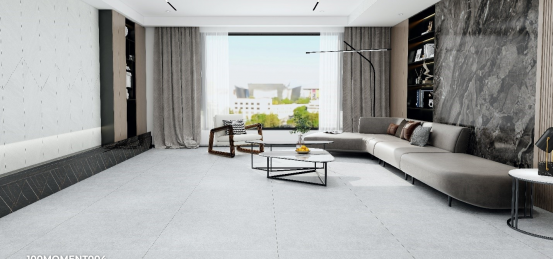
One common challenge in designing large tiled areas is the sense of repetition and visual monotony. With its multi-tonal stone-chip surface and random distribution, terrazzo-look tiles significantly reduce this effect.
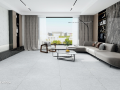
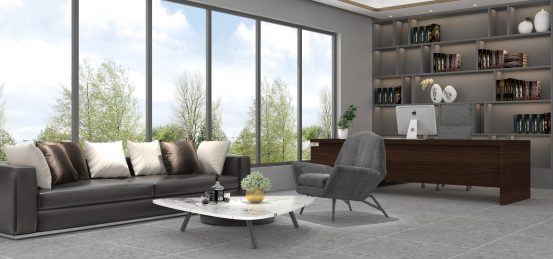
Each tile is treated as an independent variation; when assembled, they form a composition with a natural, continuous rhythm without visual redundancy. This quality is especially valuable in spaces such as living rooms, grand lobbies, commercial areas, hotels, and public buildings—where surfaces play a critical role in guiding visual experience and defining architectural identity.
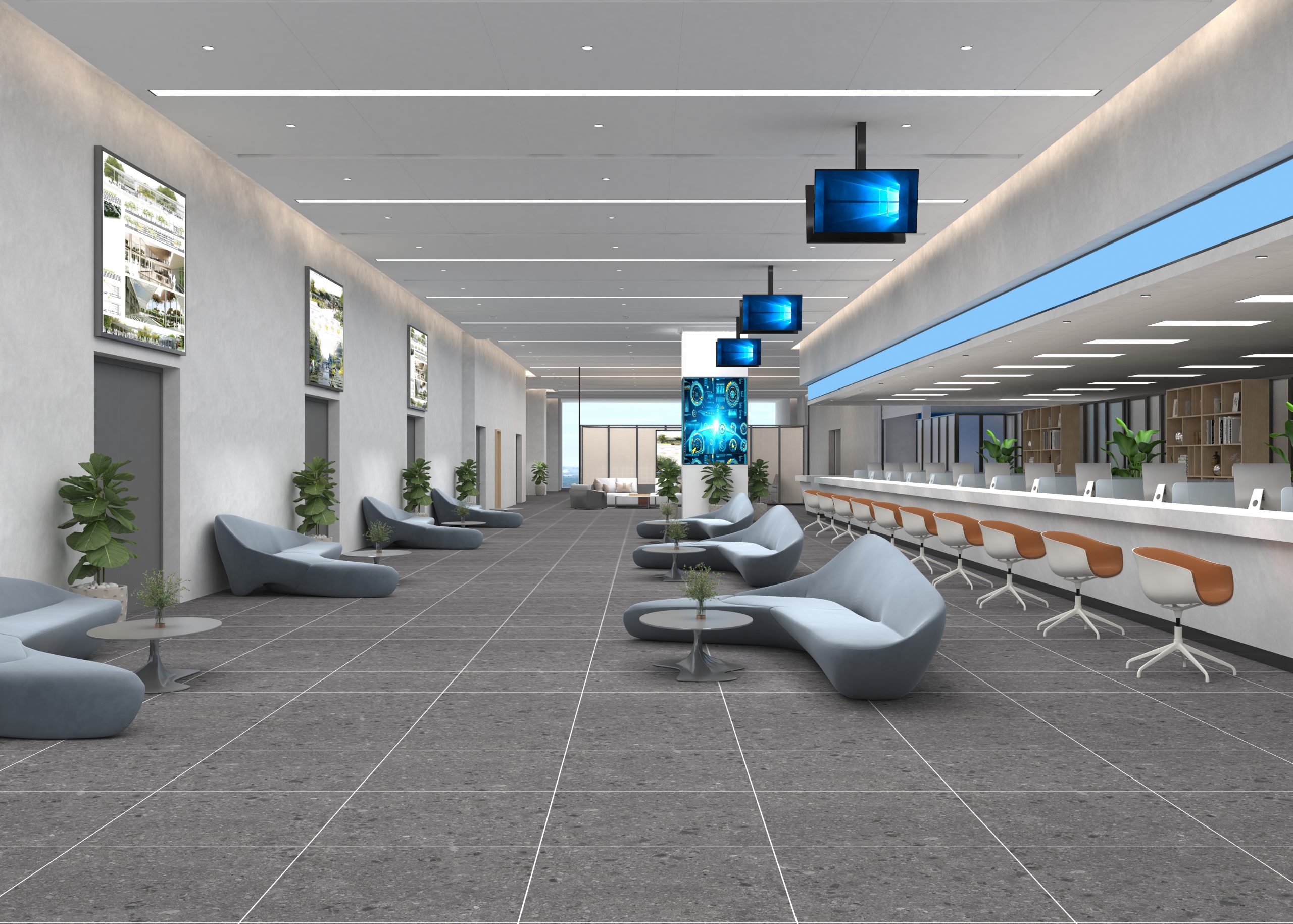
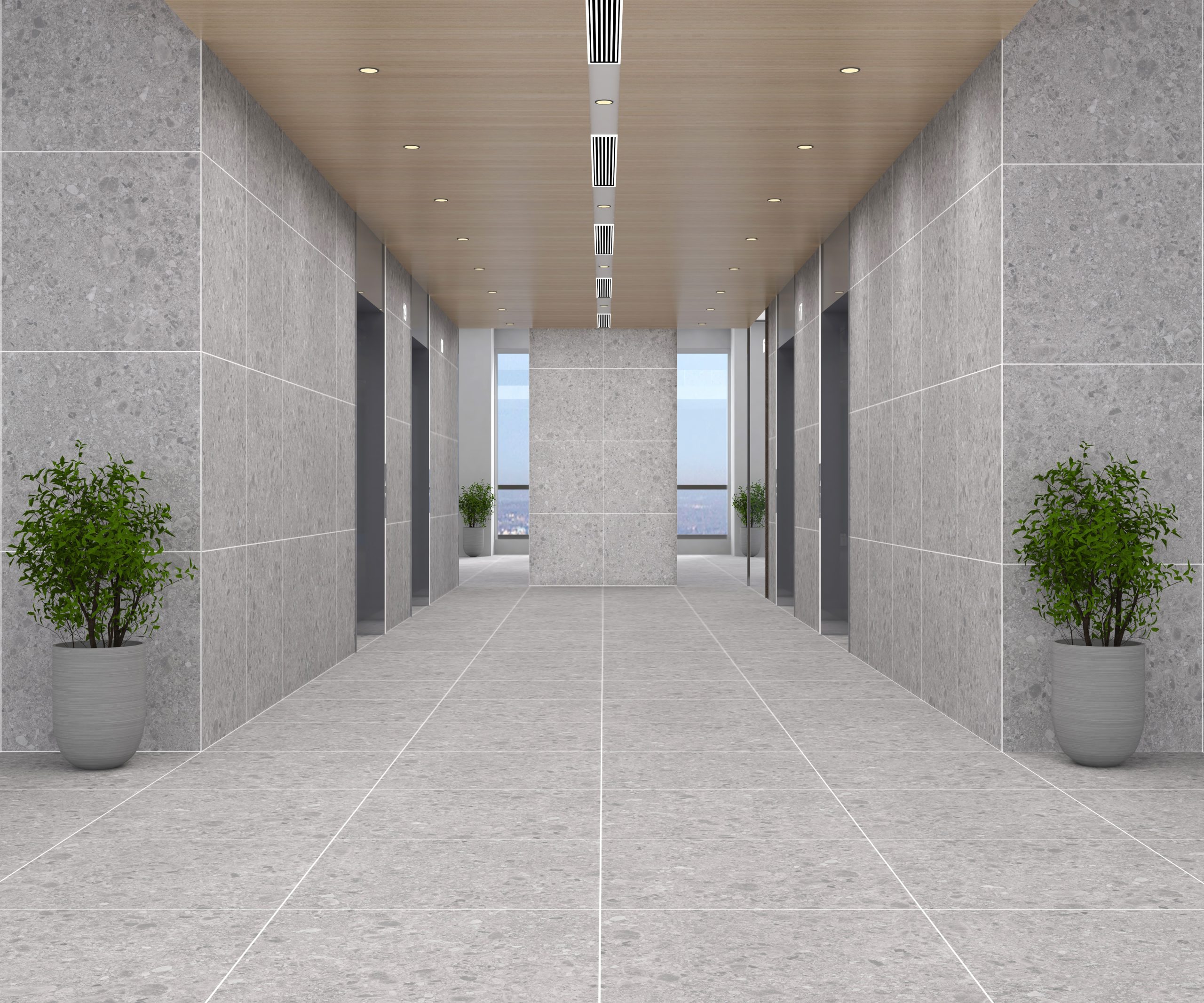
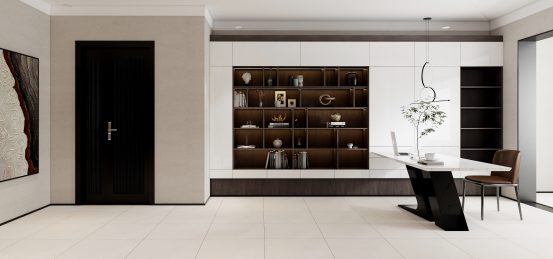
Terrazzo-look tiles are widely applied in public projects thanks to their depth-rich surfaces and ability to establish spatial rhythm.
Aligned with Personalization and Spatial Identity
Contemporary architecture increasingly emphasizes personalization and distinctive design identity. Rather than uniform surfaces, terrazzo offers a layered finish that allows spaces to express character through materiality itself.
Terrazzo-look tiles by Dong Tam Group respond to this trend by reinterpreting traditional terrazzo aesthetics through modern production technologies. The balance between surface randomness and technical control enables versatile application across various design styles—from modern and minimalist to artistic and creative environments.
When Materials Shape Spatial Emotion
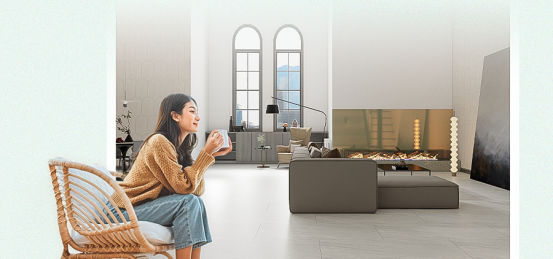
Beyond aesthetics, terrazzo surfaces have a direct impact on emotional perception and user experience. Visual depth, surface rhythm, and the subtle movement of stone fragments create a sense of balance, comfort, and long-term visual sustainability.
For these reasons, terrazzo-look tiles are increasingly present in contemporary architecture—not as a fleeting trend, but as a thoughtful, enduring choice aligned with long-term design thinking and sustainable functional value.