


MATT GLAZED TILES: A SURFACE SOLUTION IN CONTEMPORARY ARCHITECTURE
14/01/2026
In contemporary architecture, where design increasingly shifts toward a human centered approach, finishing materials have moved beyond their purely decorative role. Architectural surfaces today function as active design tools that directly influence light control, emotional response, and spatial rhythm. The transition from glossy to matte surfaces is not simply a matter of aesthetics but reflects a new architectural mindset that prioritizes visual stability, long term sustainability, and quality of life.

Architectural trends and the rise of matte surfaces.
For many years, glossy finishes were favored for their ability to reflect light and create an immediate impression of luxury. However, as architecture enters a phase that emphasizes user experience, the limitations of glossy surfaces have become increasingly evident. Issues such as glare, visual disturbance, and a cold or tense atmosphere can negatively affect comfort over time. In contrast, matte surfaces provide softer light diffusion, offering a more stable and visually comfortable environment.
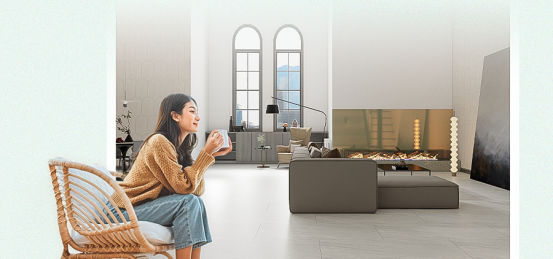
As a result, matte tiles are now widely used in high end residential projects, resorts, hotels, spas, and contemplative spaces where architecture is not only meant to be seen but to be experienced and lived in. This shift aligns with contemporary design movements such as Minimalism, Japandi, Biophilic Design, and healing architecture, all of which place calmness and balance at the core of spatial design.
Why Matte tiles are preferred in modern architecture
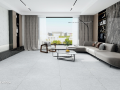
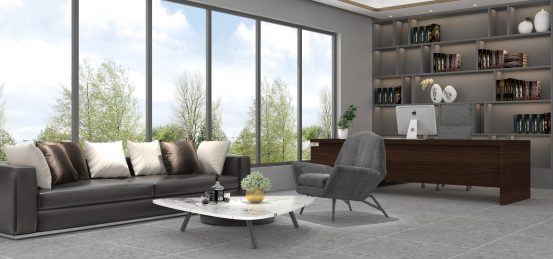
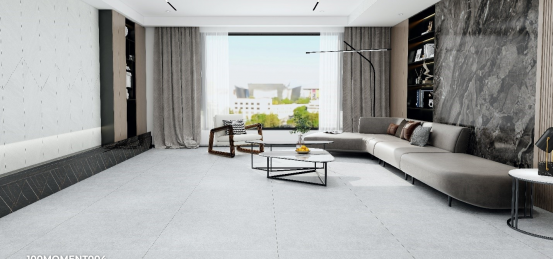
The most notable advantage of matte tiles lies in their ability to regulate light effectively. Matte surfaces reduce glare, soften reflections, and minimize visual noise, helping to create a gentle and consistent lighting rhythm throughout the space. This quality is especially important in environments intended for long term use, where visual comfort contributes directly to overall well being.
In addition, matte tiles create a sense of warmth and approachability compared to glossy surfaces. Spaces finished with matte materials tend to feel more inviting and human centered, making them suitable for architecture that prioritizes wellness and emotional comfort, which have become key values in contemporary design.

Surface Language: Minimal Yet Rich in Depth
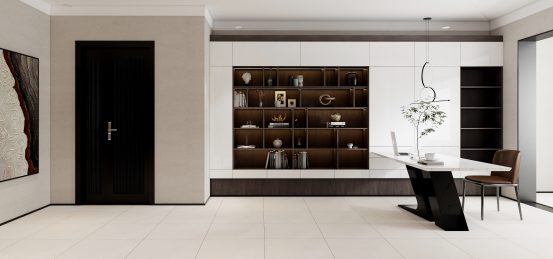
From a design perspective, matte finishes allow for a subtle and controlled expression of natural materials such as stone, earth, and wood. These textures are rendered with restraint, avoiding excessive shine or visual dominance. This approach helps large tiled surfaces maintain visual continuity, reduces repetition, and minimizes artificiality, which is essential in designs that emphasize tranquility, simplicity, and spatial identity.
As a neutral base material, matte tiles support rather than compete with architectural forms and interior elements. They enhance the overall spatial composition and integrate seamlessly with wood, metal, exposed concrete, and natural light, offering architects flexibility in developing a coherent and consistent design language throughout the project.

Technical Performance for Long Term Use
Beyond aesthetics, matte tiles also meet the technical demands of contemporary architecture. Their surface properties help reduce the risk of slipping, improving safety for users. Their durability makes them suitable for spaces with high levels of use, while their visual stability ensures long term relevance without being affected by short lived trends.
These characteristics make matte tiles an appropriate choice for residential buildings, resorts, and public spaces where materials must retain both functional performance and aesthetic value over time.
Dong Tam Matte Tiles as a Comprehensive Surface Solution
Dong Tam Group’s matte tiles are developed with a balanced approach that integrates technical performance, aesthetic quality, and spatial experience. Rather than serving solely as a finishing layer, these surfaces contribute to enhancing quality of life and support architects in creating spaces that are sustainable, refined, and emotionally engaging.
In contemporary architecture, where every detail carries meaning, Dong Tam matte tiles provide a stable surface foundation that is sufficiently restrained to endure over time and sufficiently rich in depth to support long lasting spatial experiences.